Interim management is the novel art of providing leadership capabilities and people insight in order to direct, build and ensure a period of change and transition within an organization”.
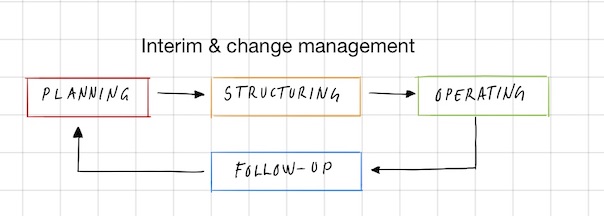
…and its done by shaping capacity and peoples’ capabilities to plan, structure, run and measure operational outcome.
Interim and value
The ability to advise, shape and lead change is possible because interims are part of organisation and their advice is perceived to be honest as interims operate independently of the organisation’s past and future politics. Therefore interim managers are typically brought in to implement change or support an organisation to grow out challenging periods of times.
Interim and capabilities
Interim leaders bring valuable insights and experience to organizations undergoing challenges. They can step into key managerial roles during times of transition and strengthen internal capabilities through their expertise. Moreover, they can fill key managerial roles for a defined period.
Characteristic for interim leaders are:
- Highly qualified, with broad leadership experience across multiple industries.
- They quickly step into management roles, take ownership, and deliver measurable results.
- Skilled at building clear, engaging plans, they confidently drive execution and inspire teams.
- With deep insight and practical know-how, they assess organizational performance and future needs with precision.
People and Change
Since all aspects of interim and change journeys involve people, interim leaders ought be able to balance operational needs while implementing strategic solutions to achieve objectives. They also need to make sound judgments when weighing short-term priorities against long-term goals. Ultimately, an effective interim leader should be able to frame change and communicate transition in a way that inspires and motivates people.